-

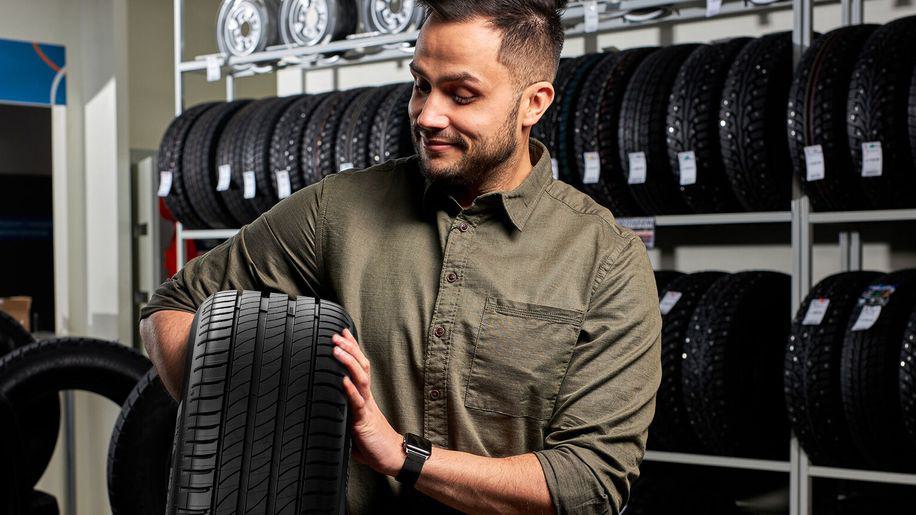
WHAT SHOULD YOU DO WITH TIRE DAMAGE ON THE SIDEWALL?
The tire sidewall is the vertical area of the tire between the tread and the bead (the part that sits on the wheel rim). It forms the outer walls on both sides of the tire. Its main function is to maintain the tire’s shape under load, providing lateral stability to the tire, and helping absorb some impact from road shocks.
A tire’s sidewall also displays important tire information such as tire size, speed rating, manufacturer details, manufacturing date, maximum inflation pressure, and more important information.
Under certain conditions, the tire sidewall can be damaged to some extent. Tire damage on the sidewall can cause sudden tire failure or unpredictable handling, leading to accidents. What types of damage can occur? When does it happen? What actions should be taken? How can you prevent tire damage? Find out in this article.View more -
Checking tire tread wear: what to do when the tires look worn out
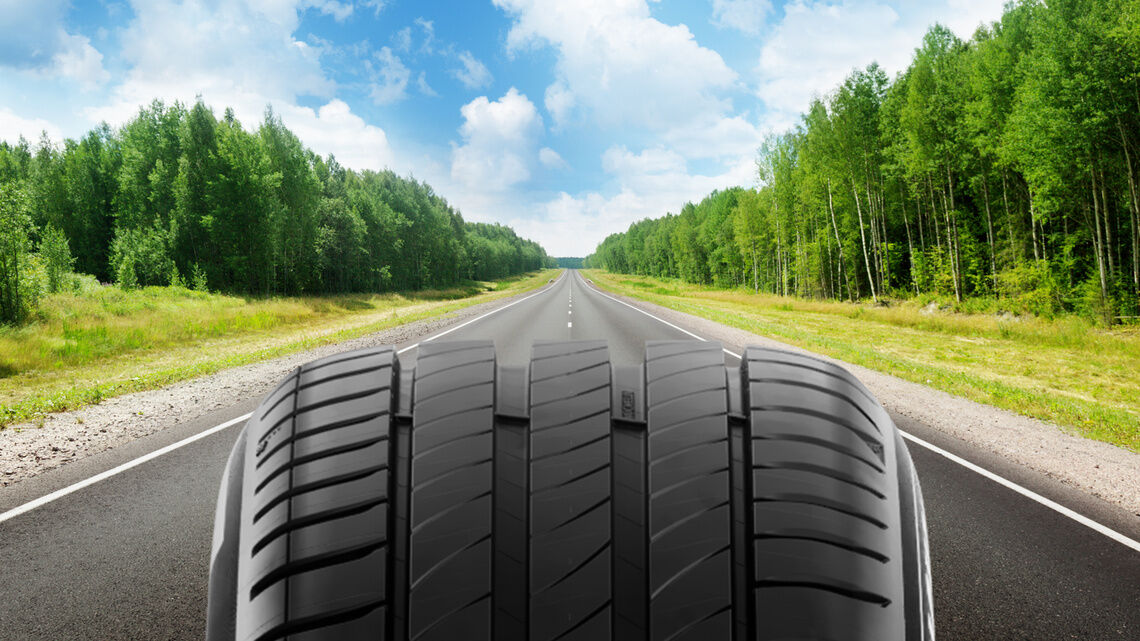
Many drivers call on the services of a tire specialist to help them with their tires, as it is the best way to know if the tire tread and the sidewalls are in good condition. However, drivers can check tire tread depth on their own using a tread depth gauge or a twenty pence coin. Alternatively, looking at the treadwear indicators that are spaced out around the circumference of the tire is a good way to check tire wear. If they are level with the remaining tread, then it is time to replace your tire.
So, it isn't hard to take control and check your tires yourself. It’s quick and can prevent many problems. Inspect your tires for wear and damage problem at least once a month and before you go on a long road trip.View more -

How to fit a spare tire?
Getting stuck with a flat tire is an unfortunately common occurrence that all drivers experience at some point. That’s why it’s essential to know exactly what to do when you get caught out – and to make sure you have all the equipment necessary to make a quick flat tire change, so that you can get back on the roads as soon as possible.View more -

What to do with a punctured tire?
If you have a punctured tire, it may be for a number of reasons. Often, inflation pressure loss is a consequence of a tire puncture, or tire sidewall damage, but it could also be a leaking valve, valve cap or even the wheel. So what should you do when your tire goes flat? Let's get to the heart of the matter.View more -

How long do tires last?
Wondering how long should tires last?
Defining the lifespan of a tire is difficult as there are many criteria involved, but by reading this article you will know how to preserve your tires for as long as possible, when it is advisable to have them checked and which tires guarantee the best performance until the last mile.View more -

Everything you need to know about tire sealant for cars
Please remember that car tire sealant spray, like other forms of puncture repair, is a temporary solution and is not recommended for driving long distances or at high speeds (above 80 km/h). The risk is that the tire has been damaged during a run flat or at very low pressure before the sealant repairs the leak and restores pressure.
If your tires are damaged, seek a professional opinion as soon as possible.
Here we take a look at everything you need to know about car tire sealant spray, how to use it, what the benefits are, and how far and fast you can drive after using it.View more -
What can cause excessive or uneven tire wear?
It is normal for tires in service to show progressive tire wear over time. But sometimes, owing to specific conditions of use, tires can exhibit abnormal or uneven tire wear, which might reduce their service life. Eventually, some of the causes of uneven tire wear could lead to a weakening of the tire reinforcing structure, but before that, there could be other less obvious consequences, such as an increase in fuel consumption.
This article is about the causes of this excessive or uneven tire wear, how to prevent them and how can you tell when it is time to change your tires?View more -

Car tire recycling
Ever wondered what happens to your old tires when you get them replaced? Below we explore the reality behind car tire recycling and how Michelin works to promote their recycling, while constantly striving to reduce the environmental impact of its own products.View more -

How to change a tire & The professional fitting process
Understanding tire fitting is key when replacing worn-out tires or dealing with a flat. You can learn how to change a tire, but professional fitting ensures safety and accuracy. Michelin experts use precision tools to mount every tire correctly. Choosing DIY or professional tire fitting comes down to safety and reliability. Here we take a look at the tire fitting process at the garage, so you can better understand the key steps behind how to change a tire.View more -

Tire repair: is my tire repairable?
Have you recently had a puncture? Are you wondering if a tire repair is possible and how to do it? Find out our answers in this article.View more