The Philippines is SUV and MPV territory. Whether you drive a Toyota Fortuner, Mitsubishi Xpander, Honda BR-V, or Ford Everest, choosing the right tire for your vehicle and how you drive it in the Philippines will affect your safety, your fuel spending, your vehicle's handling, and how comfortable your passengers are on every journey.
Understanding the Role of SUV Tyres
Let’s begin with the basics before we deep dive on how to choose tires for SUVs. You might wonder “What SUV tires supposed to do?” SUV tires are specifically engineered to accommodate the unique demands of sports utility vehicles. Constructed with tougher rubber compounds and enhanced internal reinforcements, these tires are designed to support the higher weight and manage the forces exerted during braking and cornering. Unlike standard passenger tires, SUV tires offer features such as an increased load capacity while maintaining a comfortable and stable ride. Additionally, many SUV tires are tailored for different seasons or driving conditions, which improves their performance and safety.
SUVs vs. MPVs: what's the difference for tires?
SUVs vs. MPVs: what's the difference for tires?
The Philippine market uses the terms SUV and MPV (Multi-Purpose Vehicle) to describe a broad range of body-on-frame and monocoque vehicles. For tire purposes, what matters most is the vehicle's load capacity (how many passengers it carries), ground clearance (how much off-road or rough-road use it sees), and intended use (daily Metro Manila commuting vs. provincial travel vs. mixed use). A Toyota Fortuner used for weekend Tagaytay trips needs different tires than a Toyota Innova used primarily as Metro Manila school-run transport.
How do Filipino drivers use their SUVs and MPVs?
Daily Metro Manila commuting
The majority of SUV and MPV owners in the Philippines use their vehicles primarily in Metro Manila - on EDSA, C5, Commonwealth, Quezon Avenue, and the arterial roads feeding the metropolis. For these drivers, heat resistance (Metro Manila traffic generates prolonged tire heat), wet grip (the monsoon season means months of rain-soaked city driving), and comfort in stop-and-go conditions are the key requirements.
Provincial and inter-city travel
Many Filipino families use their SUVs and MPVs for regular provincial trips - to Laguna, Batangas, Pampanga, Pangasinan, and beyond via SLEX, NLEX, TPLEX, and various provincial highways. These trips combine highway speeds with provincial road imperfections. Tires need to handle sustained highway speed efficiently while also managing rough patches and occasional unpaved sections.
Full passenger loads
Filipino families are often large, and SUVs and MPVs are typically loaded to full or near-full passenger capacity. A 7-8 seat MPV or SUV at full load places significantly more weight on the tires than the same vehicle with one or two occupants. Ensuring your tires have the correct load index for your vehicle's full Gross Vehicle Mass (GVM) rating is essential for safety.
Matching Your SUV Tires to Your Driving Lifestyle
Before looking at any specific tire, first, consider how you use your SUV. Your daily routes and driving habits are the primary factors in determining which tire type is right for you. Here are the two main categories we recommend.
Highway-Terrain (H/T) Tires
If your driving is mostly on paved surfaces like city streets and highways, Highway-Terrain (H/T) tires are a suitable choice. They are designed to deliver a smooth and quiet ride, making them a comfortable option for daily commuting and long road trips. If you are looking for quiet SUV tires, this is the right category for you. Their finer tread patterns provide reliable grip and are engineered to be low-noise tires for SUV use on asphalt.
All-Terrain (A/T) Tires
For drivers who need a balance of on-road comfort and off-road durability, All-Terrain (A/T) tires are often the solution. They are some of the most versatile tires available, built to perform well on paved roads while still offering the toughness needed for gravel, dirt, or light trails. If your travels take you from the city to the provinces, an A/T tire provides confidence in mixed conditions.

Dealer Locator
Search among our dealers to find where your tire is available
Consider Road and Weather Conditions in the Philippines
This is where tire choice has the most direct impact on safety for Filipino drivers. The June to October monsoon season means months of driving on rain-soaked roads, flooded streets, and reduced visibility conditions. In these conditions, your tire's wet grip performance is what stands between you and an accident.
Wet grip is determined primarily by the tire's tread compound (how well the rubber bonds to wet road surfaces) and tread pattern design (how effectively the tire channels water away from the contact patch). Look for tires with strong independent wet braking test results. Michelin designs all its products with wet safety as a core criterion.
Getting the Technical Details Right
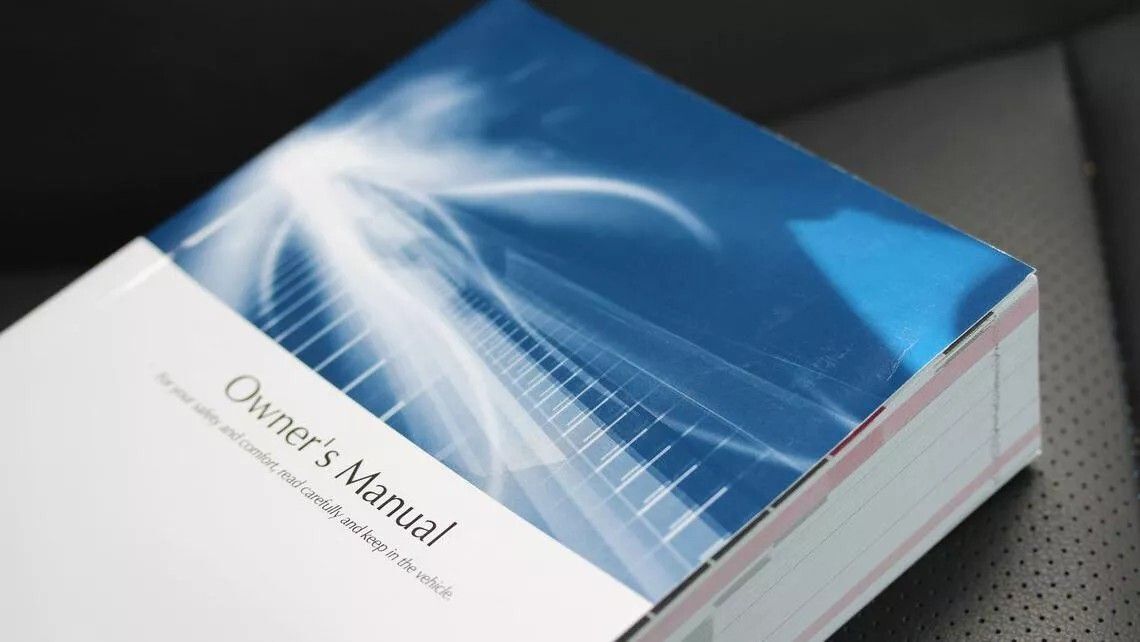
You must also consider the basics of tire selection. Always check your SUV’s owner’s manual or the placard on the driver’s side doorjamb for the manufacturer’s recommended tire size, load index, and speed rating.
Using the wrong size can negatively impact your vehicle's stability, handling, and even the accuracy of your speedometer. The load index is also important, as it indicates the maximum weight the tire can safely support. For larger SUVs that often carry more passengers or cargo, ensuring the load capacity is correct is a vital safety measure.
Recommended SUV Tires for Your Needs
MICHELIN Pilot Sport 4 SUV for a Dynamic, High-Performance Drive
If you enjoy a responsive and engaging driving experience, the MICHELIN Pilot Sport 4 SUV is engineered for you. It provides excellent grip, responsive braking performance on both wet and dry roads, and precise handling, which gives you confidence through every corner.
MICHELIN Primacy SUV+ for Long-Lasting Comfort and Safety
For drivers who prioritize a quiet, comfortable ride and durability, the MICHELIN Primacy SUV + is an effective choice. It is designed for long tread life and fuel efficiency without compromising on safety, making it a dependable choice for daily commutes and long family road trips.
Drive with Confidence on MICHELIN SUV Tires
Choosing the right tire is about matching its capabilities to your lifestyle and vehicle. Whether you're driving city streets or exploring the provinces, MICHELIN SUV tires deliver the comfort, safety, and performance you need for every journey.
Frequently Asked Questions About Choosing SUV Tires
Got questions about SUV tires in the Philippines? From choosing the right size to navigating the rainy season, here are the answers to the most common questions Filipino drivers ask before buying new tires.
Your SUV Tire Questions, Answered
The correct tire size for your SUV or MPV is specified by your vehicle manufacturer. You can find it in two places: your owner's manual or the tire placard on the driver's side doorjamb. This placard also lists the recommended load index and speed rating. Using the wrong size can affect your handling, braking performance, and speedometer accuracy. When in doubt, consult a certified tire dealer who can verify the correct specifications for your specific vehicle.
During the monsoon season (June to October), wet grip is the most critical tire performance factor for Filipino drivers. Look for tires with proven wet braking test results, a tread compound designed to bond effectively to wet road surfaces, and a tread pattern that channels water efficiently away from the contact patch. Highway-Terrain (H/T) tires with strong wet performance ratings are well-suited to Metro Manila's rain-soaked city driving conditions.
It depends on how and where you drive. If your SUV is used mainly in Metro Manila for daily commuting on paved roads, H/T tires deliver a quieter, more comfortable, and more fuel-efficient ride. If you regularly travel to the provinces and encounter gravel, unpaved barangay roads, or mixed terrain, A/T tires offer added durability and grip without sacrificing too much on-road comfort. Many Filipino SUV owners with mixed city-and-provincial use prefer A/T tires as a versatile all-around option.
Yes, and this is an important safety consideration. SUVs and MPVs in the Philippines are frequently loaded to full or near-full capacity. Each tire has a load index that specifies the maximum weight it can safely support. When buying tires, always verify that the load index matches or exceeds your vehicle's Gross Vehicle Mass (GVM) at full passenger and cargo load. Fitting tires with an insufficient load index on a heavily loaded vehicle creates a serious safety risk, especially on long provincial highway drives.
There is no single fixed interval, but two factors matter most in Philippine conditions: tread depth and age. Tires should be replaced when tread depth reaches the wear indicators built into the grooves (typically 1.6mm). Even if tread looks acceptable, tires older than 5 to 6 years should be inspected by a professional, as rubber compounds degrade over time in the heat and humidity of the Philippine climate. Metro Manila stop-and-go traffic, monsoon driving, and rough provincial roads all accelerate tire wear, so regular visual checks and periodic pressure monitoring are strongly recommended.
Related articles
-

How can tires improve mileage and fuel economy?
Knowing about the tire-fuel efficiency relationship can help you travel further on a full tank, which is not only good news for your wallet, but also for the environment. Here, we look at how to improve fuel economy, with a focus on the tire labels: how to understand the label, and what the fuel efficiency tire chart really means.Learn more -

Are tires made in China good quality?
Are Michelin tires made in China? Can I trust the quality of tires made in China? Find out why national bragging rights no longer hold the same weight, and why you can trust Michelin tires in the Philippines regardless of where they were manufactured.Learn more -

How to compare tires?
On what basis should you compare tires to select the one that will give you complete satisfaction? This article is about the main performance criteria to consider, the decision aids you can use and Michelin's best advice. We will discuss how to select the one you need within the same tire line and provide you with decision aids, such as independent tire tests, labelling and tire comparison sites. Finally, we will discuss another important criterion: long term performance.Learn more -
How to prepare your visit to the tire shop nearby?
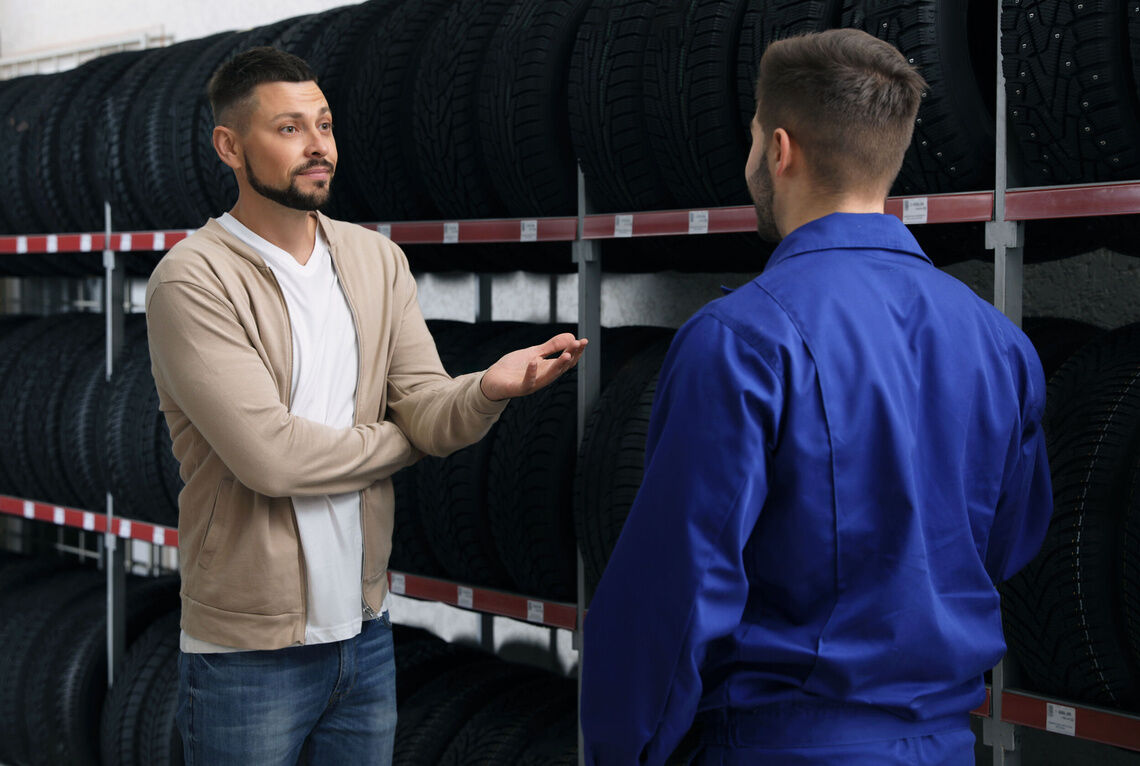
Before going to the tire shop nearby, that you can easily find with our dealer locator, we recommend that you follow these few preparation steps. Why? Because the more prepared you are, the better you will be guided in choosing the right tires for your driving needs.Learn more -

What is a High Load Capacity tire?
Discover what High Load capacity tires are, why MICHELIN is developing them, and the key technology used to design them for the ultimate safe and efficient performance.Learn more -

Do you need specific EV tires for your electric vehicle?
Discover everything you need to know on suitable tires for electric vehicles, and how they contribute to range, energy consumption and the overall driving experience.Learn more