The Impact of Weather on Tires
Tire pressure fluctuates with tire temperature. Higher tire temperatures on a hot day cause an increase in pressure, while lower temperatures on a rainy day result in a decrease in pressure. Other factors, like friction from the road, also affect tire pressure.
To get a better picture of the relation between temperature and tire pressure, for every 10°C of tire temperature change, tire pressure changes by 1-2 PSI. This can lead to a 15% difference between summer and winter, impacting tire and vehicle performance.
Since there are only 2 seasons in the Philippines, dry and wet season, we will elaborate on how heat and rainfall affect your tires.
How Does Heat Affect Your Tires
Increased Tire Pressure: Heat causes the air inside your tires to expand, leading to higher tire pressure, resulting in overinflation.
Reduced Traction: Excessive heat in tires can lead to overinflation, which can result in a loss of traction and heighten the likelihood of accidents.
Accelerated Wear and Tear: Overheating can cause rubber to soften. This leads to faster tread wear and tread separation, which shortens the lifespan of your tires.
Increased Risk of Blowouts: The combination of tire heat, increased pressure, and weakened rubber can significantly increase the risk of tire blowouts, especially if tires are already underinflated, overloaded, or damaged. UV rays from the sun can also deteriorate the rubber, weakening the sidewalls and increasing the chance of a blowout.
How Does Rain Affect Your Tires
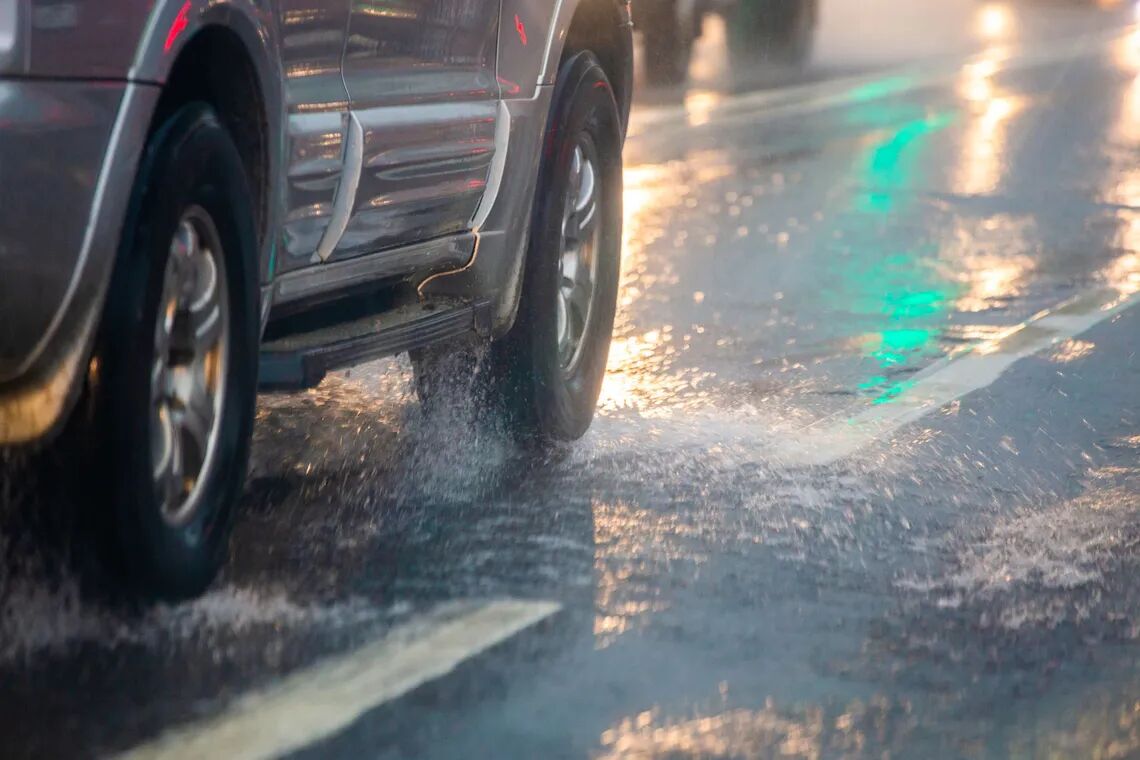
Reduced Traction: Water on the road surface acts as a lubricant, decreasing the friction between your tires and the road, which can lead to reduced traction.
Increased Braking Distance: Wet roads can significantly increase your vehicle's braking distance.
Hydroplaning: This dangerous phenomenon occurs when your tires lose contact with the road due to a layer of water building up underneath them, leading to a loss of steering and braking control.


Dealer Locator
Search among our dealers to find where your tire is available
What You Should Do to Your Tires in the Dry Season
Check Tire Pressure Regularly: Ensure your tires are inflated to the manufacturer's recommended pressure, especially before long trips. Don’t forget to check the pressure only when the tires are cold.
Inspect Tires for Damage and Wear: Look for cracks, bulges, irregular tire wear, or dry spots that could indicate heat damage. Replace your tires if you notice damage or excessive wear.
Avoid Overloading: It is important to avoid exceeding the load capacity of your vehicle or tires. Doing so can lead to safety issues and negatively impact performance. Always check the manufacturer's specifications to ensure you stay within the recommended limits.
Avoid Excessive Manoeuvre: Do not exceed the speed limit. Avoid sudden acceleration, sharp turning, and hard braking to reduce heat buildup on tires.
Take a Break: You should take a driving break every 2 hours on a long trip to cool down hot tires.
Park in the Shade: When possible, park your car in shaded areas to minimize direct sun exposure.

What You Should Do to Your Tires in the Wet Season
Monitor Tire Pressure: Keeping an eye on tire pressure is essential, as proper inflation ensures that the tires maintain their shape and optimal contact with the road surface. This not only enhances vehicle performance but also contributes to safety and fuel efficiency.
Maintain Adequate Tread Depth: Sufficient tread depth is crucial for channeling water away from the tire's contact patch and preventing hydroplaning. Replace tires when the tread depth reaches 2/32 of an inch.
Slow Down: Reduce your speed to allow your tires to maintain better contact with the road. Hydroplaning can occur at speeds as low as 35 mph, depending on conditions.
Avoid Sudden Movements: Steer, accelerate, and brake smoothly to prevent loss of control.
Increase Following Distance: Allow more space between your vehicle and the one in front of you due to increased braking distances on wet roads.
Avoid Using Cruise Control: This allows you to react more quickly to changes in road conditions.
Drive in Tire Tracks: When traversing wet conditions, it is advisable to drive in the tire tracks created by the vehicle ahead of you. This approach can help you find areas that are likely to have less water and provide a more stable driving surface.
Drive More Confidently in All Weather Conditions with MICHELIN Tires
Now you’ve learned about tire temperature and tire safety tips on how to drive safely during dry and wet seasons. With tires such as MICHELIN Primacy 5 and Primacy SUV+ fitted on your vehicle, you can drive more confidently, regardless of the weather. These tires are designed to deliver outstanding performance and durability, ensuring a reliable experience whether you’re navigating hot days or rainy conditions.
Related articles
-

What is rolling resistance?
Rolling resistance (RR) has a significant impact on the energy a vehicle needs to move. Hence a direct link with fuel consumption for combustion-powered cars - around 20% - or battery range for electric vehicles. Tire design can help reduce rolling resistance.Learn more -

How to Stay Safe Driving at Night
Driving at night presents several challenges, primarily due to decreased visibility. Factors such as poor road conditions, headlight glare, and driver fatigue can further complicate the situation. This guide aims to provide you with essential tips for driving in the dark.Learn more -
What is Aquaplaning and how to avoid it?
Aquaplaning (also called hydroplaning) may seem a little scary, but it is only a very rare cause of accidents. In fact, even when you are driving in the rain, road conditions involving a risk of total aquaplaning only represent 0.01% of cases.
What is aquaplaning? In which cases is it a real risk? How to prevent it and what should you do if it occurs? You will have an answer to all these questions in this article.Learn more